

17 Aug Sports Memorabilia at Auction: What Collectors Should Check Before Bidding
Sports memorabilia can capture a moment in a way few other collectibles can. A program, signed ball, jersey, ticket, or photograph may bring back a particular game or athlete. Emotional appeal is real, but it should not take the place of careful research. At auction, every item is its own case. A collector should understand exactly what the catalog offers, what documentation supports the story, how condition affects desirability, and what the final cost will be.
Identify the precise object
Start by distinguishing a mass-produced collectible from an object connected to a specific event or person. A commemorative jersey is different from a game-worn jersey. A printed signature is different from an autograph made by hand. A ball signed by an athlete is different from one documented as used in a named game. Read the description closely and avoid adding meaning that the auction house has not claimed. If wording is ambiguous, ask a direct question before you bid.
Photographs should show the front and back, identifying marks, labels, inscriptions, and any included certificate or packaging. For a signed object, request a close view of the signature. For a card, check corners, edges, centering, and surface. For a jersey, examine tags, stitching, patches, and signs of alteration. The image of a full display case may be attractive, but the details behind the case are often what determine the purchase.
Understand the role of authentication
Authentication is a category-specific question. A certificate may identify an examiner and a specific item; other paperwork may simply describe a previous sale. Check who issued the document, whether the identifier matches the object, and what the document actually states. A third-party opinion is not the same as an unconditional guarantee, and different collectors may weigh evidence differently. If a substantial bid depends on authenticity, consider independent advice from a reputable specialist in that type of memorabilia.
Provenance can strengthen the story when it is documented. An old photograph, team record, dated letter, original receipt, or chain of ownership may provide useful context. Keep a clear distinction between verifiable documentation and a family recollection. Both may be interesting, but they carry different evidentiary weight. A famous name written in a catalog is a reason to inspect supporting material, not a reason to skip inspection.
Condition is not always simple
Some collectors prefer an unused object in excellent condition. Others value the wear that comes with a convincingly documented game-used item. The meaning of condition therefore depends on what the item purports to be. Ask about stains, fading, ink bleeding, restoration, replacement parts, trimming, or mounting. A framed item may conceal edges or a reverse side. If a card has a third-party grade, confirm the grading company, numerical grade, and certification reference from the official record.
Care also begins before purchase. Paper, textiles, leather, and signed surfaces can deteriorate under direct sunlight, heat, or humidity. Plan to use archival materials and appropriate framing or storage. Do not wipe a signature or clean a historic jersey in the hope of improving its appearance. Treatments may damage the object and reduce its documentary value.
Compare genuinely similar sales
The same athlete’s name can appear on items with very different prices. An unsigned photograph, authenticated autograph, limited print, and documented event-used object are not interchangeable comparables. Check subject, date, item type, provenance, condition, edition, and any grading. Review completed sales rather than relying only on asking prices. Also find out whether a reported result includes buyer’s premium. Market interest can change; a past price does not predict a future one.
Set a bid ceiling based on your collecting goals and full cost. Add buyer’s premium, tax if applicable, shipping, insurance, and any future conservation or framing. If an authentication question remains unresolved, decide whether the uncertainty fits your budget. Do not pay the price of a fully documented item for an object whose documentation has not been shown to you.
Buy the story you can verify
A sports object can be rewarding even without a celebrity connection. A local team program, an older stadium photograph, or a group of tickets may matter because it connects to your own history. Consider whether you would still enjoy the piece if its resale value never rose. That test is particularly useful in a category shaped by popularity and nostalgia.
When a relevant lot appears at Neely Auction, review the current auction and read the sale’s specific condition and payment terms. Use the contact page to ask for documentation or extra images before bidding. Research the precise item, preserve any paperwork you receive, and choose a limit you will be comfortable with after the excitement of the sale.
Consider display before the bid
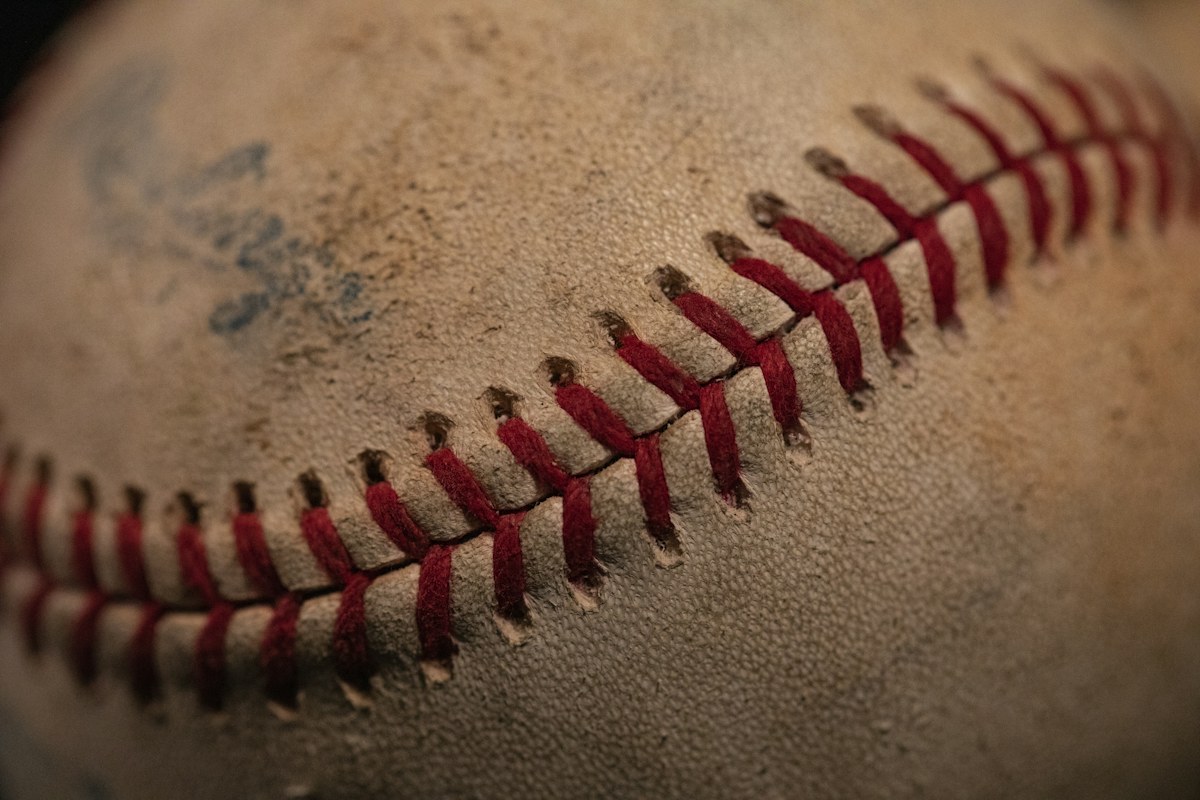
A collector may focus so closely on the athlete and the price that storage becomes an afterthought. Plan for light exposure, moisture, framing, and safe handling. A signed baseball is better protected in an appropriate display enclosure than left on an open shelf near a window. A paper ticket or program may need archival sleeves and acid-free support. A jersey needs a breathable, suitable storage method, and mounting should avoid adhesives or stitches that damage the fabric. If a professionally graded item arrives in a sealed holder, do not open it casually; that holder and its identification may be part of the collectible’s documented status.
Shipping should also match the object. A framed photograph can be damaged by glass during transport, while a ball and its certificate should remain clearly associated. Ask whether the auction house packs, whether an outside shipper must collect the lot, and when collection is due. Document the package on arrival if the piece is valuable. A good buying decision includes a plan to preserve what you bought.
Know when to pause
If images are inadequate, a certification number cannot be checked, or a description leaves a crucial claim uncertain, you can ask a question or decline the lot. Auctions move quickly, but that does not create an obligation to bid. Walking away from a weakly documented object can leave your budget available for a piece whose evidence and condition better match your goals.