

27 Aug Antique and Vintage Lamps at Auction: Beauty, Wiring, and Practical Questions
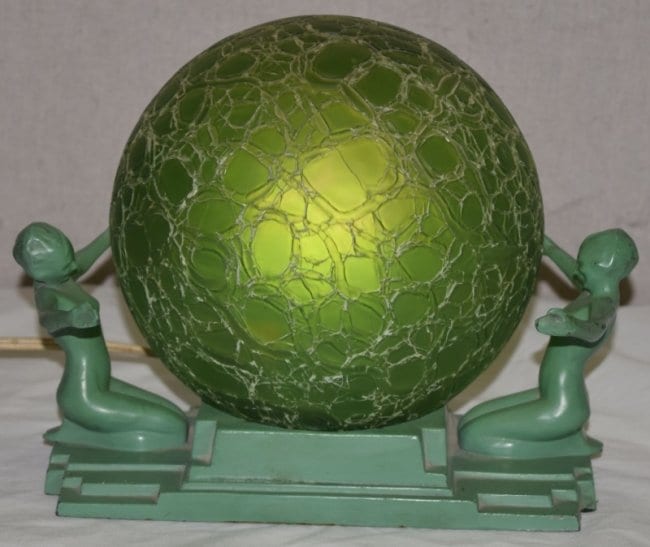
An older lamp can transform a room. Glass, bronze, ceramic, wood, and metal designs have character that new lighting often tries to imitate. Yet a lamp is both a decorative object and an electrical device. That dual role means an auction buyer should assess design and condition alongside wiring, stability, and placement. Even a lamp you plan to display unplugged deserves a clear understanding of what is original, what has been changed, and what repairs may be needed.
Know what the catalog actually describes
Read the listing for material, height, shade, maker information, and any stated period. “In the style of” a famous designer does not mean made by that designer. A signature, label, or impressed mark may be useful, but ask how the attribution was determined if it affects the price you would pay. The shade might not be original to the base. Likewise, a modern socket on an old lamp does not necessarily undermine its appeal, but it should be understood and reflected in your plans.
Measure the lamp as an object and as a light source. Overall height, base diameter, and shade width all affect where it can sit. A dramatic floor lamp may require clearance around furniture; a table lamp should leave enough space for use without creating glare. Determine whether the shade in the photographs is included. If it is not, sourcing a correctly proportioned replacement can add to your cost.
Inspect material-specific condition
With glass, look for chips, cracks, repairs, and changes in color. With metal, inspect joints, plating loss, corrosion, and evidence of a changed finish. Ceramic bases can have hairlines, restoration, or damaged feet. Wood and lacquer may show age-related wear or a later refinish. If there is a decorative figure or fragile finial, make sure it is secure. Ask for closeups of the base, socket area, shade supports, and any maker’s marks that are difficult to see online.
A lamp can be visually intact but wobbly. Check whether the base sits evenly and whether the shade mount and finial appear complete. If a lamp has multiple lights or an unusual switch, ask whether all components are present. Some catalog descriptions state that an electrical item has not been tested; in that case, do not infer it is ready to plug in. Even if it lights during an inspection, an older fitting should be evaluated for safety before regular household use.
Treat electrical work as a professional task
Old insulation, an improvised splice, a damaged plug, or a loose socket can pose hazards. Arrange for a qualified professional to inspect and, where appropriate, rewire the lamp before use. Do not assume that a newly fitted plug means the rest of the wiring has been replaced. If preserving the lamp’s historical integrity matters, discuss a sympathetic repair that retains safe and reusable original elements where feasible. Keep documentation of work completed for your records.
Budget for that inspection as part of the purchase. A modest auction price can be good value even when professional rewiring is necessary, provided you planned for it. Conversely, a lamp that must be rebuilt extensively may not be the right choice if you expected immediate functional lighting.
Consider the room and the collection
Light quality is practical, not merely decorative. Think about the lamp’s height beside a sofa or bed, whether the shade directs light toward a task, and whether a colored shade changes the room’s appearance. A sculptural base can stand alone as a decorative object, while a pair may be especially useful for symmetry. If you are buying two, confirm they really match in size, hardware, shade, and condition. Small variations may be charming or may make them unsuitable as a pair.
Transport needs care. Glass shades and finials are vulnerable, and a lamp should usually be packed in separate protected components rather than lifted by its shade. Confirm whether the auction house offers packing, when the item must be collected, and whether your chosen shipper handles fragile electrical objects. Keep photographs of assembly before it is dismantled.
Research price and authenticity with care
Compare completed sales of similar material, maker or attribution, scale, and condition. A designer lamp with strong documentation is not a fair comparison for a later design inspired by it. Evaluate the value of any included shade and the cost of professional electrical work. Include buyer’s premium, applicable tax, and delivery when setting your ceiling. Decorative lamps often carry personal appeal beyond a market comparison; pay a price that makes sense for both the object and your room.
Neely Auction’s catalogs can include decorative arts and estate furnishings. Browse the current auction for available lighting and other objects, then ask about condition while there is still time to inspect. An informed buyer can appreciate an older lamp’s shape and history while making a safe, practical plan for how it will be used.
A useful preview checklist
If you can inspect a lamp in person, view it from every side without handling it against the auction house’s rules. Check the symmetry of the shade and base, look for hairline damage under neutral light, and see whether decorative elements appear secure. Ask whether the switch and socket were tested, but remember that a brief demonstration cannot replace a qualified electrical inspection. Take notes on the height of the shade and the position of the bulb. An unusually positioned bulb may cause uneven lighting or make the lamp difficult to use in your intended room.
If the original shade is missing, research the cost of an appropriate replacement before you bid. If an original shade is included, protect it separately during transport and record its measurements. Lamps can be especially satisfying auction finds because design and function meet in one object, provided both receive equal attention in the budget.
Keep the catalog entry and an image of any maker’s mark with your purchase record. If the lamp later needs service, give the electrician those images and a description of any parts you especially hope to preserve.