

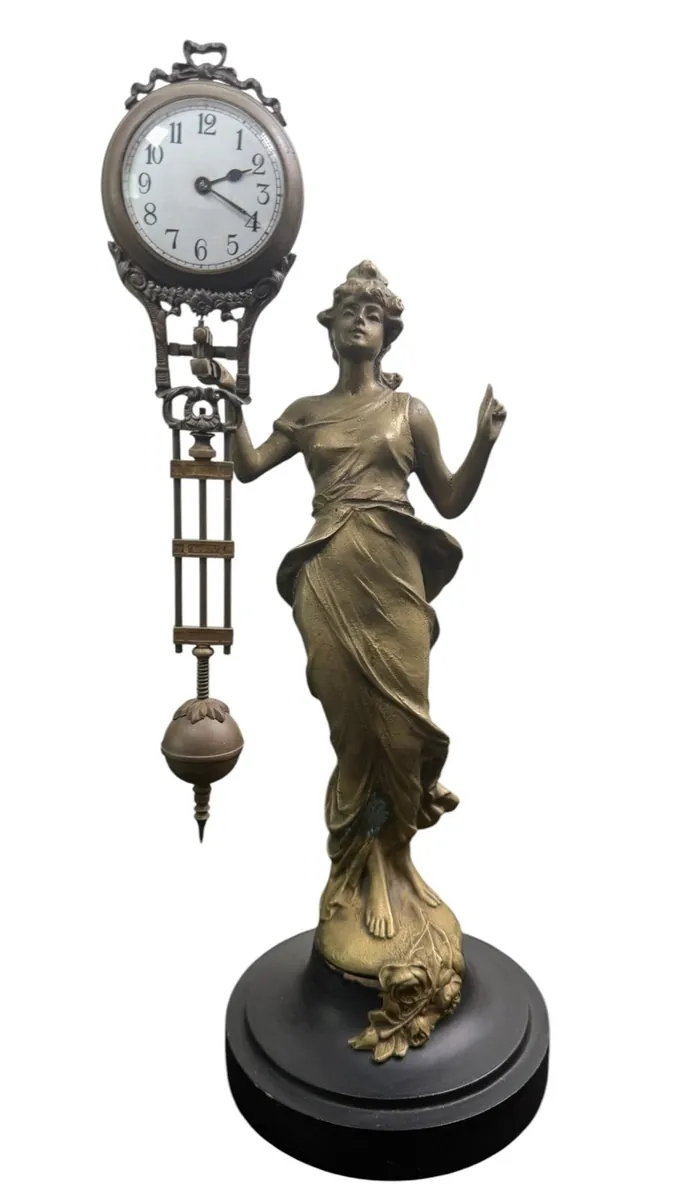
05 Sep Collecting Antique Clocks at Auction: Design, Mechanism, and Care
An antique clock is both a decorative object and a mechanical one. Its case may carry the character of a particular period, while the movement records the craft of the person who built or maintained it. These two aspects make clocks especially engaging at estate auctions. They also create important questions for buyers: Is the clock complete? Does it run, and what exactly has been tested? Is the case original to the movement? What will it take to transport and maintain it safely?
Begin with the type and intended display
Mantel, wall, carriage, bracket, and longcase clocks occupy different spaces. Note the height, width, depth, and weight before imagining where one will go. A clock with a pendulum needs a stable, level location and enough clearance for the pendulum to swing. A tall case may require particular ceiling height and a plan for moving it through your home. Measure the route from the collection point to the display area as carefully as the destination itself.
Study the case material and surface. Wood veneer may have lifting or missing sections; gilding may show wear; marble may have chips or repairs. Ceramic and metal decorative elements should be inspected for damage. A clock can be beautiful with honest patina, but a later finish, replaced decorative part, or mismatched panel may affect how collectors assess it. Ask for images of the back, base, and interior if a catalog only shows the front.
Look beyond the dial
A dial may carry a name or place, but that marking alone does not establish that every component was made by the named person. Check what the catalog actually states. Photographs of the movement can help a specialist evaluate construction and completeness. Ask whether the movement appears to belong with the case and whether any service documentation is available. If a valuable attribution rests on a small detail, an independent clock specialist’s opinion may be appropriate.
Confirm which parts are included: pendulum, weights, key, winding crank, finial, bells, and any removable panels. Missing accessories can be costly or difficult to match. If a photograph shows a key beside the clock, verify that it transfers with the lot. For a chiming clock, ask about the chime mechanism, not only the timekeeping. “Runs” might mean it moved during a brief test; it does not guarantee accurate operation for a full day or long-term reliability.
Condition questions that matter
Ask whether the clock has been tested, for how long, and under what conditions. Does it start, wind, strike, or chime? Are there signs of corrosion, missing teeth, damage to the dial, or previous repair? Many older clocks need routine service even when complete. A clock that does not run may still be a worthwhile acquisition if you love its design and have budgeted for qualified repair. The key is to avoid assuming that an untested object is an immediately functional timepiece.
Do not force a stuck winding mechanism or apply household oil. Clock movements require appropriate cleaning and lubrication. A general furniture repairer may be right for a case but not for the mechanism. Ask a reputable clock professional to evaluate service needs and whether proposed repairs can preserve important original parts. Keep records of service and replaced components.
Plan safe transport
Clocks can be harmed by movement even when the case looks sturdy. Pendulums and weights may need to be removed or secured according to the mechanism; glass, hands, and finials need separate protection. A tall clock is a specialist moving job. Ask the auction house or a qualified mover what it can pack and who takes responsibility after collection. Never lift a delicate clock by a decorative top or projecting handle unless the piece is designed for that handling.
Once home, place the clock on a stable surface away from strong vibration, direct sun, excessive heat, and damp. Do not alter it quickly just to make it fit. A proper wall anchor or level surface may be part of safe display. Watch humidity in a South Florida interior, especially for wooden cases and metal movements.
Decide what kind of value matters to you
Some buyers want a faithfully preserved mechanical clock. Others prioritize a decorative case or a meaningful family connection. Both are legitimate goals, but they lead to different bidding decisions. Compare completed sales of similar types, sizes, makers, originality, and condition. Do not use the price of a fully serviced, documented example as a direct comparison for an untested clock. Include buyer’s premium, tax if applicable, transportation, and likely service in your maximum total.
Read the current auction terms and ask Neely Auction questions about any clock before placing a bid. A careful examination of the case, movement, accessories, and service history lets you enjoy the character of an older clock without treating its mechanical needs as an afterthought.
Questions to ask a clock specialist
When you seek a professional assessment, bring the catalog description and photographs of the movement and case. Ask which components appear original, what maintenance is needed, whether a missing key or pendulum can be correctly sourced, and what a sympathetic repair would involve. A service estimate can be a range because hidden wear may emerge after inspection. Ask the specialist to explain what changes would be reversible and how replaced parts will be documented. A conservative approach can preserve more of the object’s history than a cosmetic overhaul.
If you want to insure a valuable clock, keep the invoice, catalog, service records, and any provenance together. An auction result may support a discussion of value, but the appropriate insurance documentation may depend on your insurer’s requirements. Do not assume that a working clock keeps perfect time without adjustment; older mechanisms may need leveling, service, and a suitable environment. Patience is part of the pleasure of owning a mechanical object.
If several generations have cared for the clock, save their notes alongside formal records. Even an old service label can help a specialist understand what was done previously.