

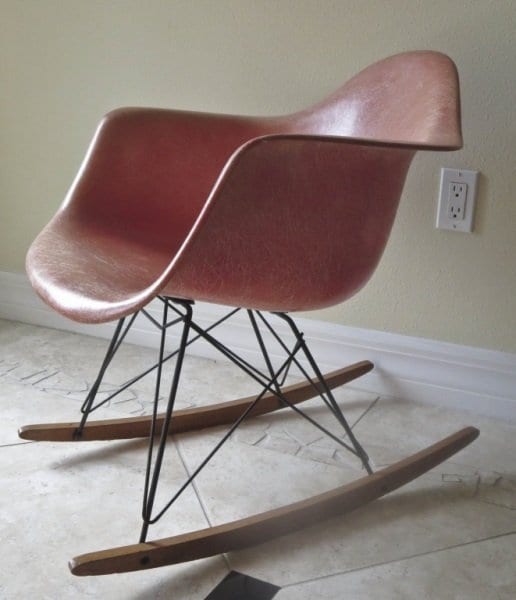
17 Sep Antique Furniture at Auction: How to Buy Pieces You Can Live With
Auction furniture has a particular appeal: one catalog might include a formal chest, a pair of vintage chairs, a modernist design, and an unusual accent table. Unlike a new retail purchase, each older piece has a history of use, alteration, and care. The goal for a buyer is to choose a piece that works in a real room while understanding what is original, what is restored, and what may need attention. Good research begins before you bid and continues through delivery.
Define the job the furniture must do
Will the piece store everyday clothing, support a lamp, serve as seating, or be displayed as an object of design? A chair that is fine as a sculptural accent may need repair before regular use. A delicate side table may suit a quiet corner but not a busy family room. Consider durability, scale, and maintenance as well as style. The right piece should meet your practical needs at a cost you accept, rather than win solely because it looks beautiful in a catalog photograph.
Record the exact dimensions and mark them out at home. Height can be as important as width: a console beneath a window needs the right proportion, and a dining chair must sit comfortably at your existing table. Measure doorway openings, hall turns, stairs, and elevator interiors. If a table has leaves or removable parts, clarify what is included and measure both its extended and closed form. A large cabinet’s doors may need extra swing clearance.
Inspect construction and condition
Look for close photographs of legs, joints, drawer interiors, undersides, and backs. These areas can show repairs or instability that a front view conceals. Ask whether drawers open smoothly and whether doors close securely. Veneer can lift, hardware can loosen, and upholstery can hide structural issues. A seller may not be able to guarantee daily usability, so distinguish what was inspected from what you infer. If possible, examine the piece in person before bidding.
Age and condition are not the same thing. A mellow finish and small marks of use can be desirable. Water damage, active wood-boring insects, a failing joint, or an unsafe seat are different concerns. Ask about known repairs and replacements. A reupholstered chair may be more practical, but new fabric does not tell you the state of the underlying frame. If upholstery needs replacing, include that work in your cost estimate.
Understand maker and period claims
Labels, marks, construction details, and documented provenance may help identify a maker. Yet a stamp can be misread, a later part can be fitted to an older frame, and a design can be copied over decades. Pay attention to catalog qualifiers such as “attributed to” or “in the style of.” If the distinction between an original designer piece and a later reproduction explains most of the price, seek appropriate specialist advice before committing a large amount.
Research completed sales of pieces with similar maker, materials, size, design, and condition. A celebrated chair in original, well-preserved condition may not be comparable to an unmarked example with altered parts. A retail listing price is a seller’s request, not evidence of a completed transaction. Auction estimates help orient you but do not guarantee resale value. Buy first for suitability and documented qualities.
Plan moving before bidding
Furniture can be awkward and fragile even when it looks substantial. Marble tops, glass shelves, detachable feet, and veneer edges require particular care. Ask what the auction house will release as one unit and whether professional shippers can collect it. Check pickup deadlines, loading access, and any storage fees. Obtain a realistic quote for transport if the item is large or must travel far. A bargain hammer price can disappear once premium, tax, moving, and repair are included.
Place new acquisitions thoughtfully. Give wood some room from direct sun, heating vents, and persistent moisture. In South Florida, a stable indoor environment is particularly useful for wood and upholstery. Avoid placing a heavy object on an untested old shelf. If repair is necessary, consult a furniture conservator or skilled specialist who understands the material before making irreversible changes to an original surface.
A short decision framework
Ask four questions. Do you love the design enough to make room for it? Does it physically fit, including the route into your home? Do the condition and attribution support the price you plan to pay? Can you cover the full cost of acquisition and care? If any answer is uncertain, request another photograph, measurement, or professional opinion before the bidding deadline.
Neely Auction handles furnishings among its estate and decorative arts categories. Explore the current auction for actual lots and review the applicable sale terms. With measurements and a realistic delivery plan in hand, you can find furniture whose character enriches your home for years rather than becoming a difficult storage problem.
Be thoughtful about refinishing
An old surface can tell a useful story. Scratches, a mellow sheen, and small variations may be signs of age and use that collectors value. Stripping the finish immediately can erase that character, and an aggressive repair can cost more than a gentle stabilization. If you plan restoration, ask a qualified professional what is necessary for safety and function and what can remain as it is. Keep photographs of the furniture as purchased and invoices for any work completed.
For upholstered pieces, distinguish a fabric problem from a frame problem. A new covering will not correct an unstable joint, while an otherwise solid frame may become very useful after appropriate upholstery work. Obtain a rough estimate in advance and remember that materials, labor, and transport can exceed the hammer price. A buyer with a realistic plan can recognize potential without pretending that every repair is simple.
Also confirm whether a set of chairs is complete and uniform. Differences in height, joinery, finish, or upholstery may be acceptable in a collected room but significant if you need a coordinated dining set.
Take photographs in natural light when the furniture arrives, then note any new scratches or movement after delivery so you can distinguish transport damage from older wear.