
07 Aug Buying Antiques at Estate Auctions: How to Spot Character, Condition, and Fit
An estate auction can put objects from several generations in one catalog. A chest of drawers may sit beside silver, ceramics, paintings, and ordinary household furnishings. That variety rewards curiosity, but it also makes “antique” an unhelpfully broad label. Before bidding, learn enough about a particular object to understand its age claims, condition, use, and likely total cost. You do not have to become an expert in every period to buy something worthwhile; you do need to know which questions matter to you.
Start with an object you would enjoy owning
The strongest reason to buy an antique is that its design, craftsmanship, history, or usefulness appeals to you. A piece with a chipped corner can still be right for a lived-in home. A perfectly polished object can be wrong if its dimensions or style do not suit the space. Make a short list of the lots you genuinely like, then compare them on condition, evidence, and price. Do not let a generic statement about rarity substitute for specific facts about the individual piece.
Read the catalog description closely. “Antique,” “vintage,” and “in the style of” can be used in different ways. If the age, maker, or origin is material to your decision, ask how it was identified. Look for maker’s marks, labels, construction methods, old photographs, or other documentation where available. A dealer’s sticker can be a useful clue, but it is not conclusive proof of period or authorship. Know exactly what the auction house is representing.
Learn to appreciate age while checking damage
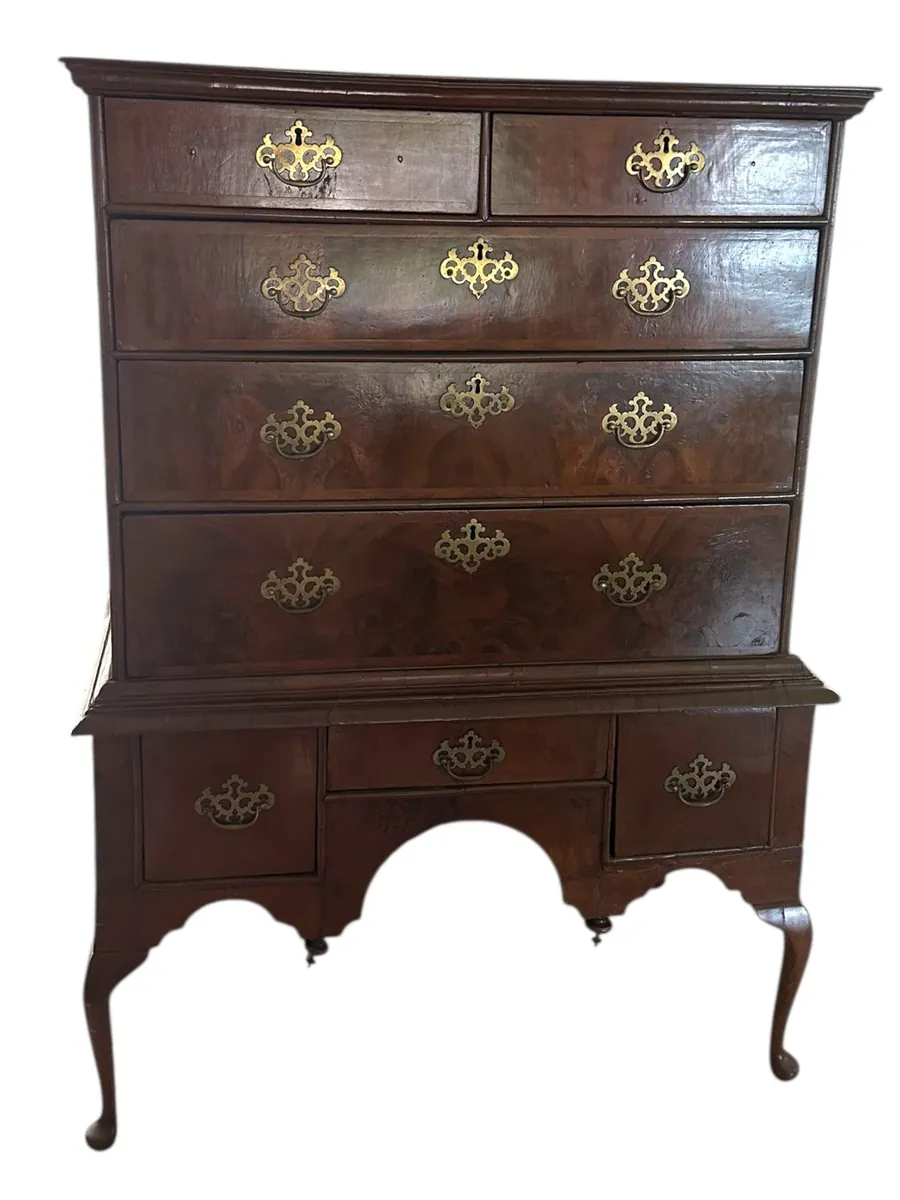
Patina can include a surface that has mellowed over time, gentle wear on frequently touched edges, and subtle variations in finish. Those signs may be part of the object’s appeal. Damage is a different question. Inspect photographs for cracks, losses, repairs, warped panels, loose joints, chipped glass, and evidence of moisture. Ask for closeups of the underside, back, and interior if they are missing. The apparent condition of a cabinet’s front tells you little about its drawers or structural support.
Restoration is not automatically a defect. A carefully stabilized antique may be easier to use than one left unsafe. But an altered finish, replaced hardware, or extensively rebuilt component can affect authenticity and value. Ask what is known about repairs; do not assume a catalog can identify every intervention. If you plan to use a furniture piece daily, prioritize sound construction and function, then budget for professional conservation if appropriate.
Check materials and construction
Wood grain, joinery, hardware, and surface treatment offer useful clues. Older furniture may have a combination of hand work and later repairs. Look at whether drawer interiors and the back appear consistent with the front, and whether handles leave signs of previous hardware. With ceramics, inspect rims and bases for restoration or chips. With metal, distinguish solid material from plating when the listing provides that information. With textiles, ask about fading, odor, and stability if the work will be displayed.
No single clue proves age. Machine-made components appear in many legitimate antiques, and convincing reproductions can incorporate older parts. Use a collection of observations, the catalog’s qualifications, and specialist advice when a high price rests on a precise period. The goal is to make an informed purchase, not to assign a dramatic history to an item because its surface looks old.
Measure the object and your home
Estate property is often photographed against a plain background without scale. Record the actual height, width, and depth. Measure doors, stairs, elevators, and the destination room. Check whether the piece needs extra clearance to open a drawer or door. For a display cabinet, consider shelf height and the weight of objects you would place inside. For a chair, assess whether it can safely serve as seating or should be treated primarily as a collectible.
Transportation is part of the decision. A fragile mirror, marble top, or large chest may need a professional mover. Confirm whether a component detaches and whether the auction house will pack the item. Read pickup deadlines and any storage provisions before bidding. An appealing hammer price loses its appeal if moving and conservation costs were left out of the budget.
Research the market without overreading it
Comparable sales can help you set a bid limit, but compare the same type of object, similar dimensions, condition, attribution, and period. Retail asking prices are not completed sales. Auction results may reflect a different buyer’s premium or market at another time. Consider how much you personally value the design and practical use. If your main goal is decorating, a less famous maker with strong craftsmanship may fit better than a celebrated name in poor condition.
Neely Auction handles antiques and estate contents alongside fine art and decorative pieces. Browse the current auction to see what is actually offered, and read the sale terms for the lot you are considering. Ask for condition details early. A measured approach lets the object’s character remain exciting without allowing uncertainty to become an expensive surprise.
Your pre-bid checklist
Confirm the lot number, dimensions, description, materials, condition, and any stated attribution. Examine all photographs, ask about repairs and missing parts, and calculate the buyer’s premium, tax, and transport. Decide where the piece will go and the maximum total you are comfortable paying. Then enjoy the auction: buying thoughtfully can be every bit as rewarding as the hunt itself.
When an antique is part of a larger estate, think about the information that may disappear if it is not recorded. A family may know where a cabinet stood for decades or who owned a set of ceramics. If that history can be documented, keep it with the invoice and catalog entry. Oral history adds meaning, but label it as such rather than treating it as established provenance. Photograph any labels or marks before conservation work begins. These simple records help future caretakers distinguish the object’s story from later assumptions.
Photograph the item after collection, too, so you have a baseline for its condition and a record of how it was packed and delivered.