

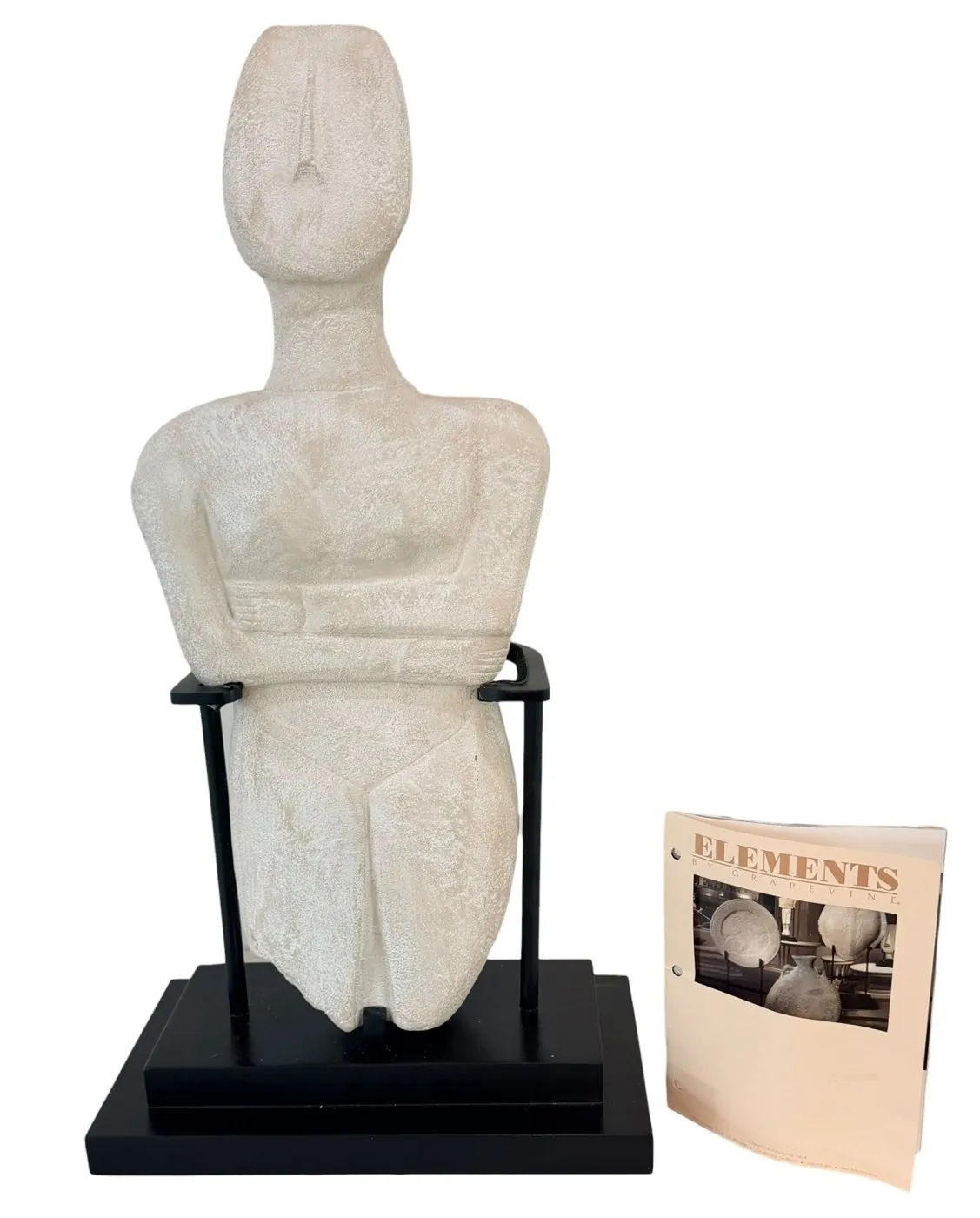
27 Sep Buying Sculpture and Statues at Auction: Materials, Scale, and Authenticity
Sculpture can change the way a room feels. A small bronze on a shelf, a carved stone figure in an entryway, or a modern abstract work on a pedestal invites viewers to walk around it. That three-dimensional presence also makes sculpture different from a framed picture to buy, transport, and display. Before bidding at an estate auction, think about the object’s material, attribution, condition, weight, and installation. These questions help turn a striking image into an informed purchase.
Identify what the object is made from
A photograph may not show whether a work is bronze, another cast metal, resin, carved stone, ceramic, wood, or a composite. The material influences weight, durability, care, and market comparisons. Read the catalog language exactly; “bronze finish” is different from cast bronze. Ask whether the piece is solid, hollow, or mounted on a separate base. If a metal work has a patina, its surface may be integral to its appearance, so avoid assuming it should be polished.
Examine all views when possible. Sculpture is meant to be seen from more than the front. Photographs of the back, underside, signature area, and base can reveal casting marks, labels, edition numbers, old repairs, and how securely parts are joined. If the images do not show these details, request them before bidding. Be wary of drawing precise conclusions from a single studio photograph with dramatic lighting.
Read attribution and edition language closely
An artist’s name in a description may have different meanings depending on the wording. A work described as “after” an artist or “in the style of” an artist is not the same as a work documented as made by that artist. For an editioned sculpture, ask about the edition number, total edition size, foundry mark, casting date, and any certificate or provenance. A signature or number is useful information, but it should be considered in the context of the whole object and available records.
Some sculptures are later casts of earlier designs; others are reproductions or decorative interpretations. These distinctions can affect value substantially. If authorship or edition history is central to your bidding decision, consult a knowledgeable independent specialist. An estimate is not a guarantee of authenticity or future resale value. Keep copies of the catalog description and paperwork associated with the lot.
Inspect condition and repairs
Different materials fail differently. Stone may have chips or old joins. Ceramic can have hairlines or restoration. Wood may split or show insect damage. Cast metal can have corrosion, cracks, repairs, or a surface altered by cleaning. A resin work might have discoloration or brittle projections. Ask specifically about projecting elements, hands, narrow supports, and the area where the sculpture meets its base. A substantial object can still have a vulnerable joint.
Condition is not only about appearance. Consider whether the work stands safely. An uneven base, loose mount, or high center of gravity may require professional stabilization. A decorative statue marketed for an interior should not be assumed safe for outdoor display. If you want a sculpture for a garden, ask whether its materials, finishes, and construction suit that environment; South Florida rain, sun, and salt air can be hard on many surfaces.
Measure the complete installation
Check height, width, depth, and weight, including the pedestal or base if included. Draw a floor footprint and leave space for people to walk around the work without brushing its edges. Think about the load capacity of shelves and floors and the stability of a display stand. A small figure may belong in a cabinet; a large piece may require a site visit by professional art handlers. Measure doors and hallways as well as the display location.
Lighting can enrich texture but can also produce glare or heat. Place a sensitive work away from harsh sun and damp areas. Where children, pets, or frequent guests will pass, plan an appropriate secure mount or position. Do not drill into an older object to force it onto a pedestal without expert advice; a reversible display solution is usually preferable.
Work backward from the full cost
Completed sales can help you assess price when the materials, attribution, scale, edition, and condition are genuinely comparable. A small decorative cast should not be priced from the result for a documented original. Decide your total budget, then allow for buyer’s premium, tax if applicable, professional packing, transport, insurance, and mounting. Ask who is responsible for dismantling and collecting a large work.
Neely Auction features sculpture and other decorative objects among its auction categories. Review the current auction for specific lots and terms, and contact the team early with questions about measurements, documentation, or condition. A carefully chosen sculpture gives you something to discover from every angle, with the practical details settled before it arrives home.
Think about conservation before cleaning
When a sculpture reaches your home, resist the urge to polish or scrub it. A dark metal surface may be an intentional patina, and a powdery deposit on stone may require a specialist’s diagnosis before removal. Household cleaners and adhesives can change surfaces in ways that are difficult to reverse. Dust gently only when the material and condition make that safe, and consult a conservator about damage or instability. Keep the work’s catalog description, invoice, condition photographs, and any conservation notes together.
A statue that will stand outdoors needs a separate assessment. Rainwater can collect in cavities, metal mounts can corrode, and intense sunlight may alter some finishes. A piece that looks robust can have a vulnerable internal armature. If the catalog does not specify outdoor suitability, do not infer it from size or subject. Ask about the material and construction, then plan shelter, drainage, or indoor display according to professional advice.
Finally, record the work from all sides after delivery. Those photographs can help you monitor changes in its surface and give a conservator a useful comparison if a crack, loose element, or discoloration appears later.
Store any detachable base, original packaging, certificate, or supporting document with clear labels. If the object is ever moved or sold again, the next caretaker will benefit from that record.