

07 Oct Estate Jewelry at Auction: Questions to Ask Before You Bid
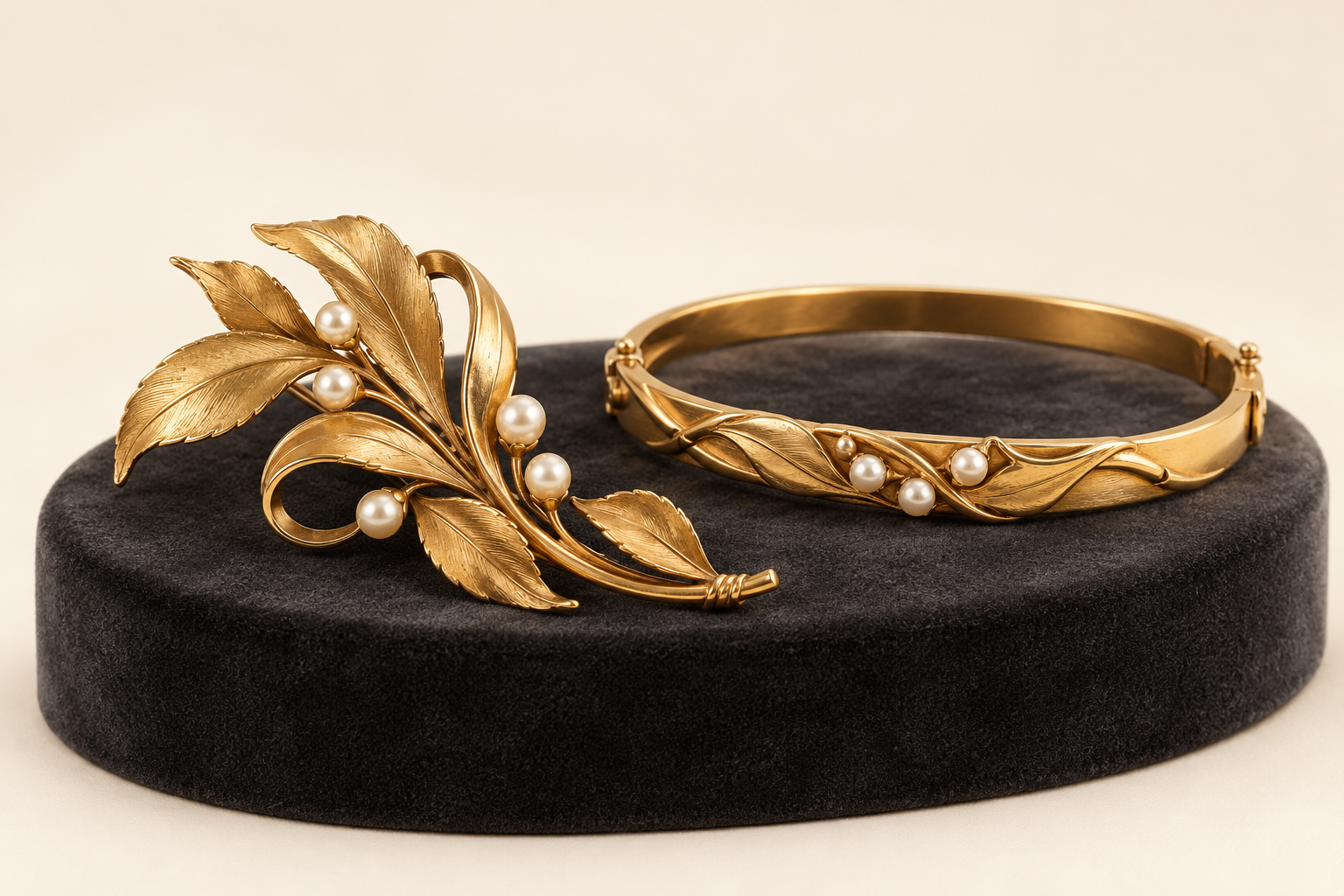
A distinctive brooch, an elegant bracelet, or a beautifully made ring can make an auction catalog difficult to put down. Estate jewelry offers the pleasure of discovering pieces with character and a life beyond the display case. Before deciding how much to bid, however, it helps to move from admiration to specific, answerable questions.
For buyers in Stuart, Palm Beach County, and across South Florida, preparation can make that process more enjoyable. You do not need to become a gemologist before exploring estate jewelry at auction. You do need to understand what the description actually says, which details remain uncertain, and whether the piece suits your plans.
Begin with the description rather than the photograph
Read the complete lot description before drawing conclusions from an attractive image. Note the stated materials, measurements, identifying marks, condition comments, and any accompanying documentation. Treat each statement according to its actual wording. A reference to a style or appearance should not be expanded into an attribution the catalog does not make.
Write down your unanswered questions while the details are fresh. This creates a useful checklist for a preview or a conversation with the auction house. It also helps you compare several lots consistently. Instead of remembering only which item photographed best, you can assess what is known about each piece and what still needs clarification.
Ask about condition in practical terms
Consider how the jewelry will be used. A bracelet intended for regular wear raises different practical questions from a brooch collected mainly for its design. Ask about the clasp, visible wear, missing components, previous repairs, and any condition observations relevant to the lot. A photograph may not show every surface or connection clearly.
Where available, request additional views of the reverse, closure, setting, or other area that matters to your decision. If a repair is being considered, seek an appropriate jeweler’s opinion before assuming it will be inexpensive or straightforward. Do not build your bidding limit around an improvement that has not been evaluated.
Confirm measurements and how the piece will fit
Scale can be surprisingly difficult to judge on a screen. Check the listed dimensions and compare them with jewelry you already own. A pendant that fills a photograph might be quite delicate in person. A bracelet that looks easy to wear may have an interior measurement that needs closer consideration.
For rings, ask about the stated size and whether a qualified jeweler should assess any proposed alteration. Do not assume every design can be resized without difficulty. For necklaces and bracelets, consider length, closure style, and comfort. Your intended use matters just as much as the initial impression created by the catalog photograph.
Understand what supporting documents can establish
Ask exactly which documents accompany the jewelry and whether they relate to the complete piece or a particular stone. The FTC distinguishes gemstone carat weight from the karat terminology used for gold. Clear language matters when comparing a listing with its paperwork, especially when similar sounding terms describe different characteristics.
A laboratory report, an earlier receipt, and an insurance appraisal answer different questions. Read the document itself rather than relying on a brief mention in the listing. If you are uncertain about its scope or terminology, consult a qualified professional. Neither an impressive document title nor a remembered family story should replace careful review.
Decide what attracts you to the jewelry
Some buyers love a particular design period. Others want a versatile piece they can wear frequently or a distinctive gift. Naming your purpose helps prevent distraction when several attractive lots appear together. It also makes tradeoffs clearer: you may value a comfortable everyday bracelet differently from an elaborate piece intended for occasional use.
Avoid treating every purchase as an investment opportunity. Future resale depends on circumstances that cannot be settled by enthusiasm on sale day. Focus on the information available, the condition you are willing to accept, and the amount you are comfortable spending. Personal appeal is a valid reason to collect, provided your budget remains deliberate.
Calculate the complete purchase cost
Review the specific sale terms for the buyer’s premium, applicable taxes, payment requirements, and collection or shipping arrangements. Do not assume the winning bid will be the final total. A modest difference between two bidding limits can become more significant once the additional costs of acquiring and receiving the jewelry are included.
Allow for professional inspection or other services you already know you want after purchase. Keep uncertain repair costs separate from confirmed charges. If an unanswered question is essential to the decision, resolve it before bidding or reconsider the lot. A clear limit is easier to maintain when it reflects the whole purchase rather than one number.
Compare two appealing lots on the same basis
Imagine choosing between a necklace with detailed measurements and an attractive bracelet with an unanswered condition question. The second piece may still deserve consideration, but it needs more information before the comparison is meaningful. Put the same questions beside both lots: fit, condition, documentation, intended use, and total cost.
This approach helps separate excitement from assumptions. You might discover that the simpler piece is more useful, or that the unusual design justifies further research. Either outcome can be satisfying when you understand why you chose it. Keep that reasoning with your bidding notes for a calmer sale day. Review any remaining questions before finalizing your limit.
Keep your research together before sale day
Save the lot number, description, relevant photographs, questions, and any responses in one place. Confirm which platform carries the sale and complete the required registration in advance. When the auction begins, you should be reviewing your decision rather than searching through messages for a measurement or trying to remember which lot included supporting paperwork.
After a purchase, retain the invoice and accompanying documents with your records. Before cleaning, altering, or regularly wearing a delicate piece, ask an appropriate professional about its condition and care. A little patience can help you understand what you have bought and make thoughtful decisions about how to enjoy it.
Neely Auction serves buyers and sellers from its Stuart location at 5284 SE Harbor Terrace. To ask about jewelry lots, preview opportunities, or the terms of a particular sale, call 561-585-8511 or visit NeelyAuction.com. Start with the current catalog and bring your questions to the team before placing a bid.